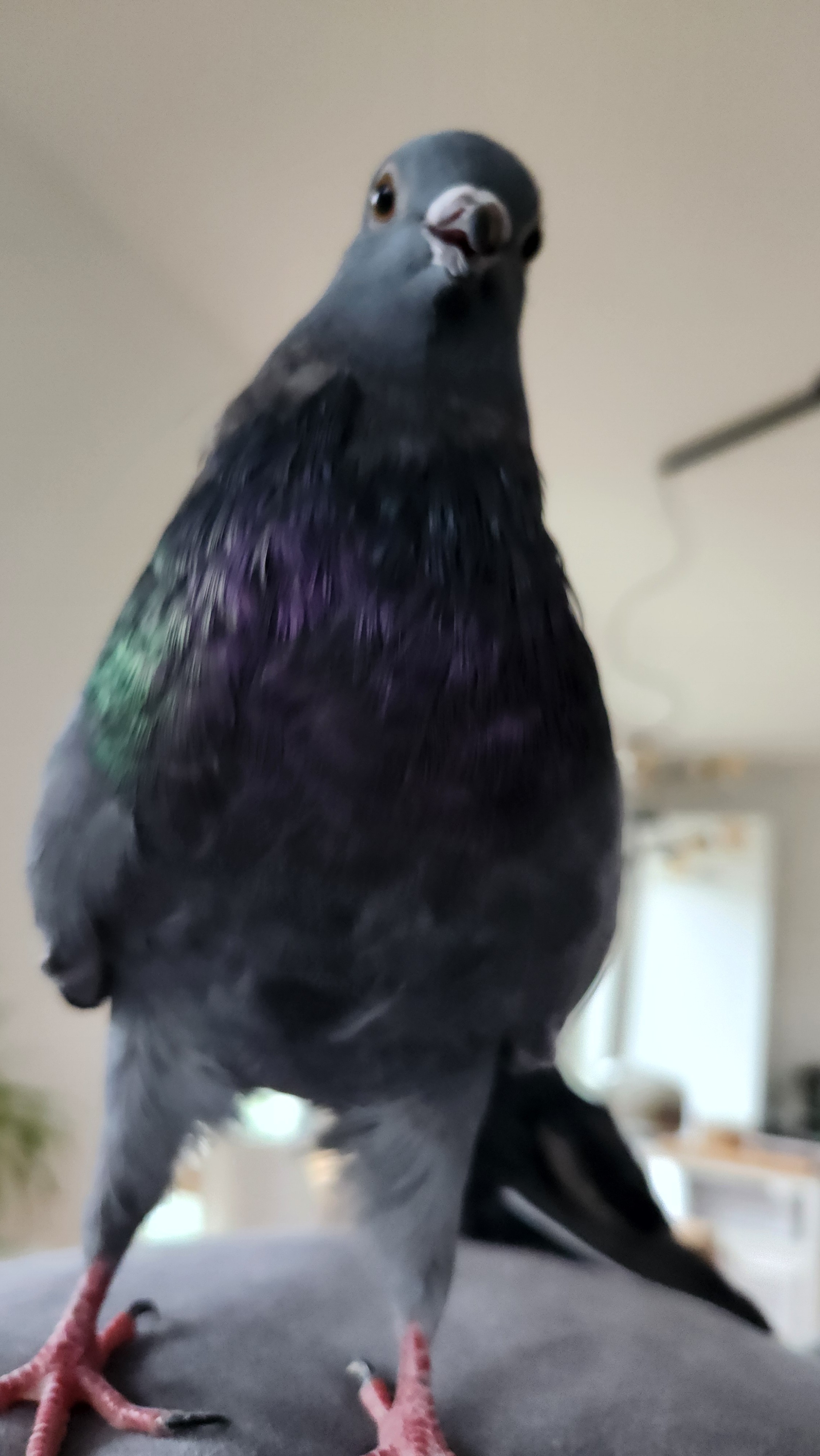
Pigeon Rescue

Stumbling upon pigeon fostering

People usually give me a look of bewilderment when they see pigeons in my home. Most don’t realise that pigeon fostering is even a thing.

Before 2024, I didn’t know that either. Pigeons are so numerous, yet so invisible. The only times I really paid attention to them was when they perched above my head — mainly to not stand directly under them to avoid getting pooped on.

And let’s face it — they are not as furry and cute as cats and dogs.

But once I started learning about their history with humans, I could no longer turn a blind eye to their suffering.

I’m not a big time animal rescuer, and sometimes the magnitude of our conflict with nature leaves me overwhelmed.

But to the few pigeons that I’ve helped, I’ve made a difference — and sometimes that’s good enough.

If you’re curious about helping animals but unsure where to start, I hope my journey is useful to you.

(Any opinions expressed here are solely my own and do not reflect the position of any organisation with which I am affiliated.)
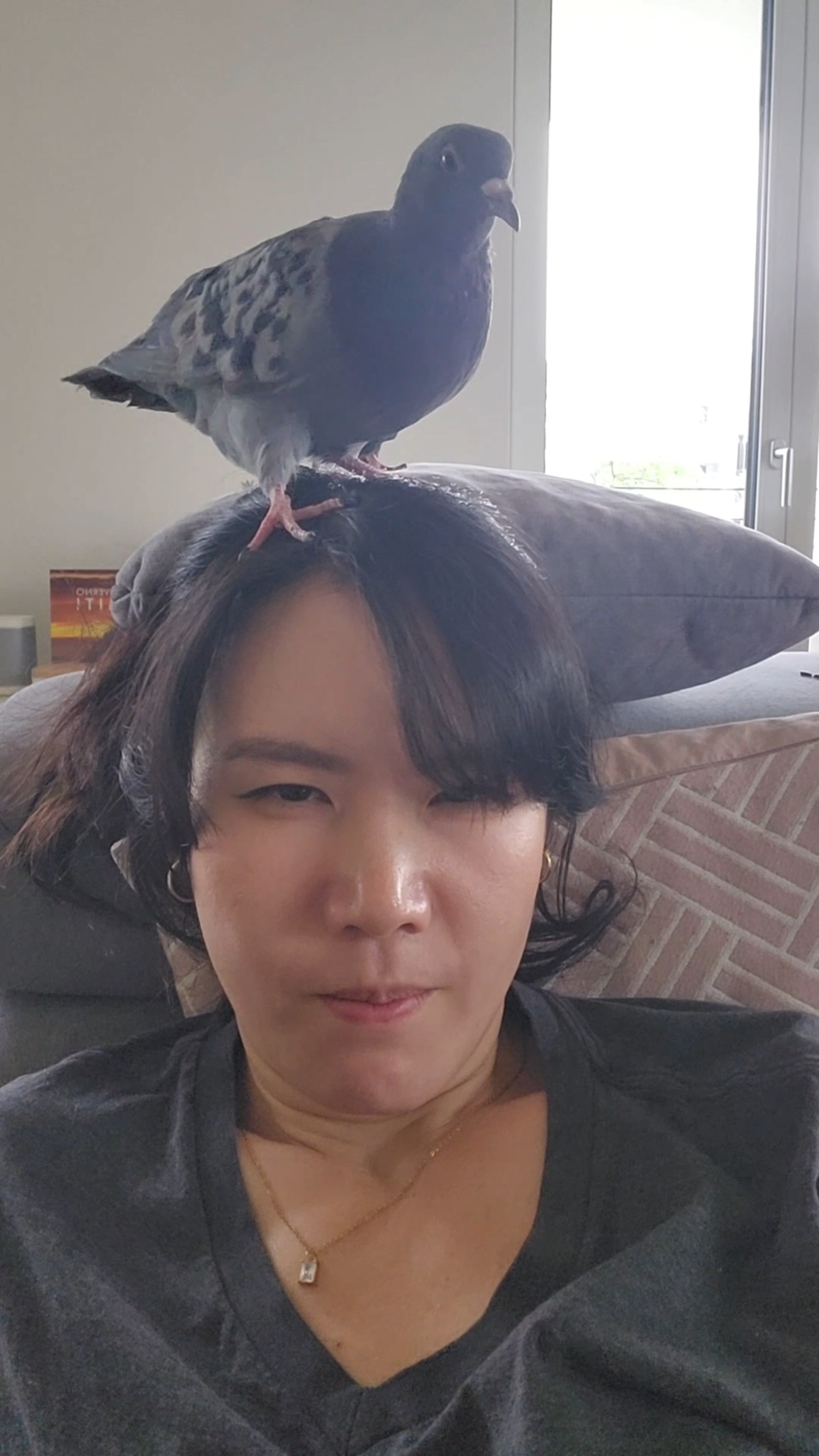
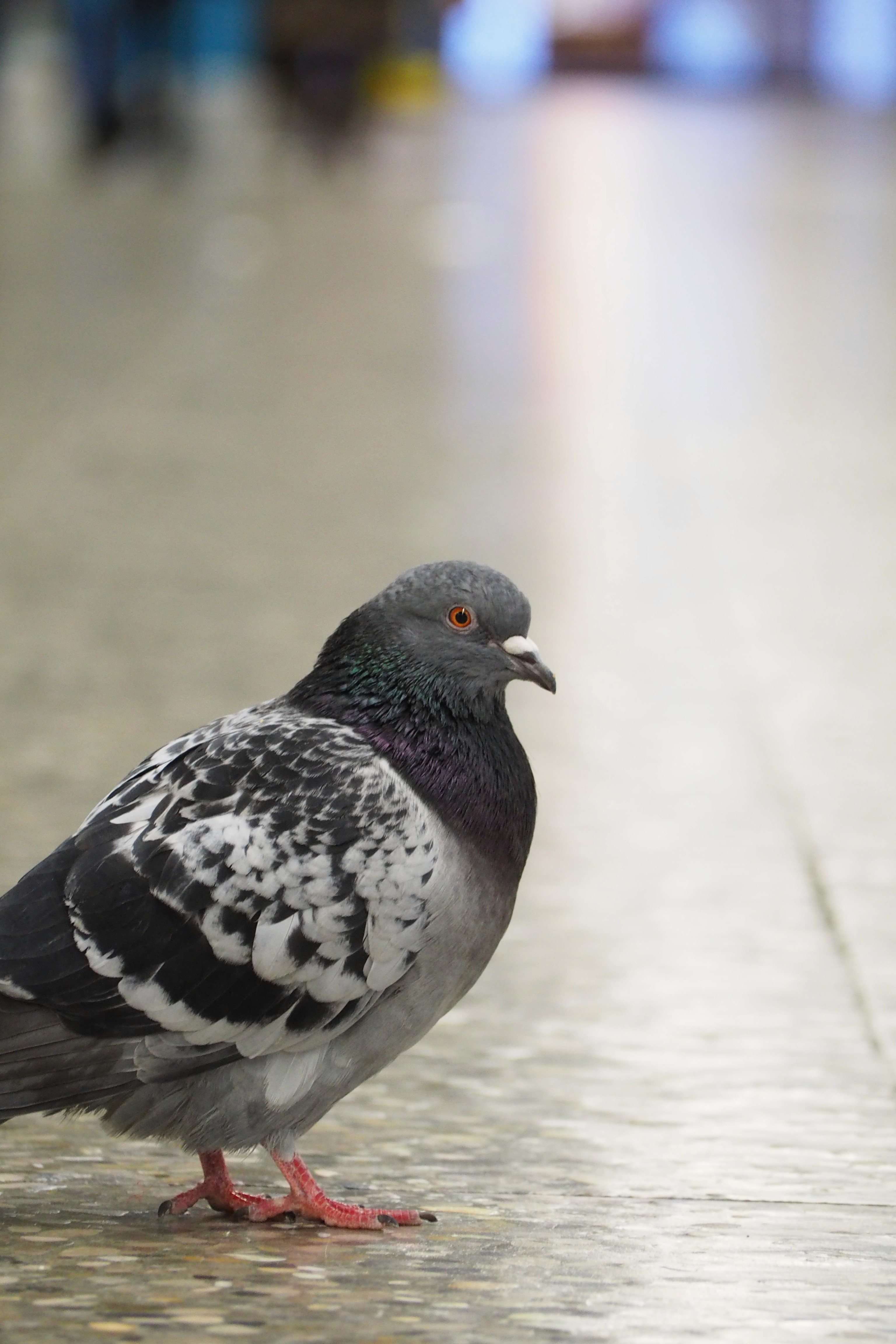
Did you know that urban pigeons are not wild animals?

If the sight of feral cats and dogs tug at your heartstrings (as it does mine), while pigeons in the city evoke a very different reaction, it might be worth reconsidering that distinction.

These common city birds were among the first animals domesticated by humans. They were kept and bred for companionship, message carrying, and food source. As technology advances, humans had less need for pigeons, and they are quietly cast aside — no different from feral cats and dogs.

Through thousands of years of selective breeding, these birds are no longer adapted to living independently in the wild. They are made to be urban dwellers, yet humans have been less than generous with sharing living space. They are called all sorts of nasty names (”rats in the sky”), and are being wrongly blamed for a myriad of malaises.

This is why pigeon rescue is so critical.
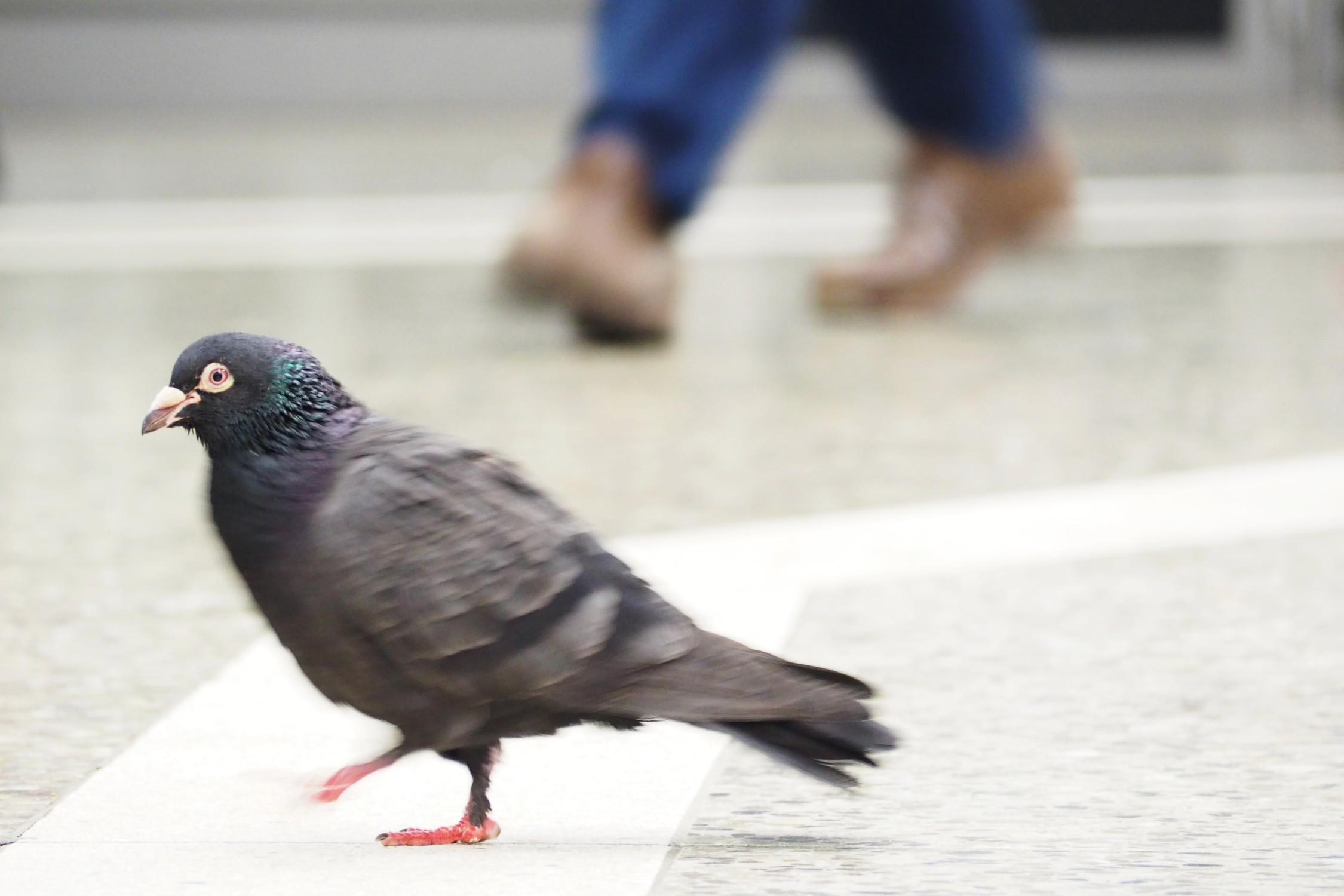
What is pigeon rescue all about?

What is pigeon rescue all about?

At its core, pigeon rescue spans prevention, intervention, rehabilitation, and advocacy. It is to help reduce the suffering induced by human beings on these urban dwellers.

At its core, pigeon rescue spans prevention, intervention, rehabilitation, and advocacy. It is to help reduce the suffering induced by human beings on these urban dwellers.

The main challenges urban pigeons face:
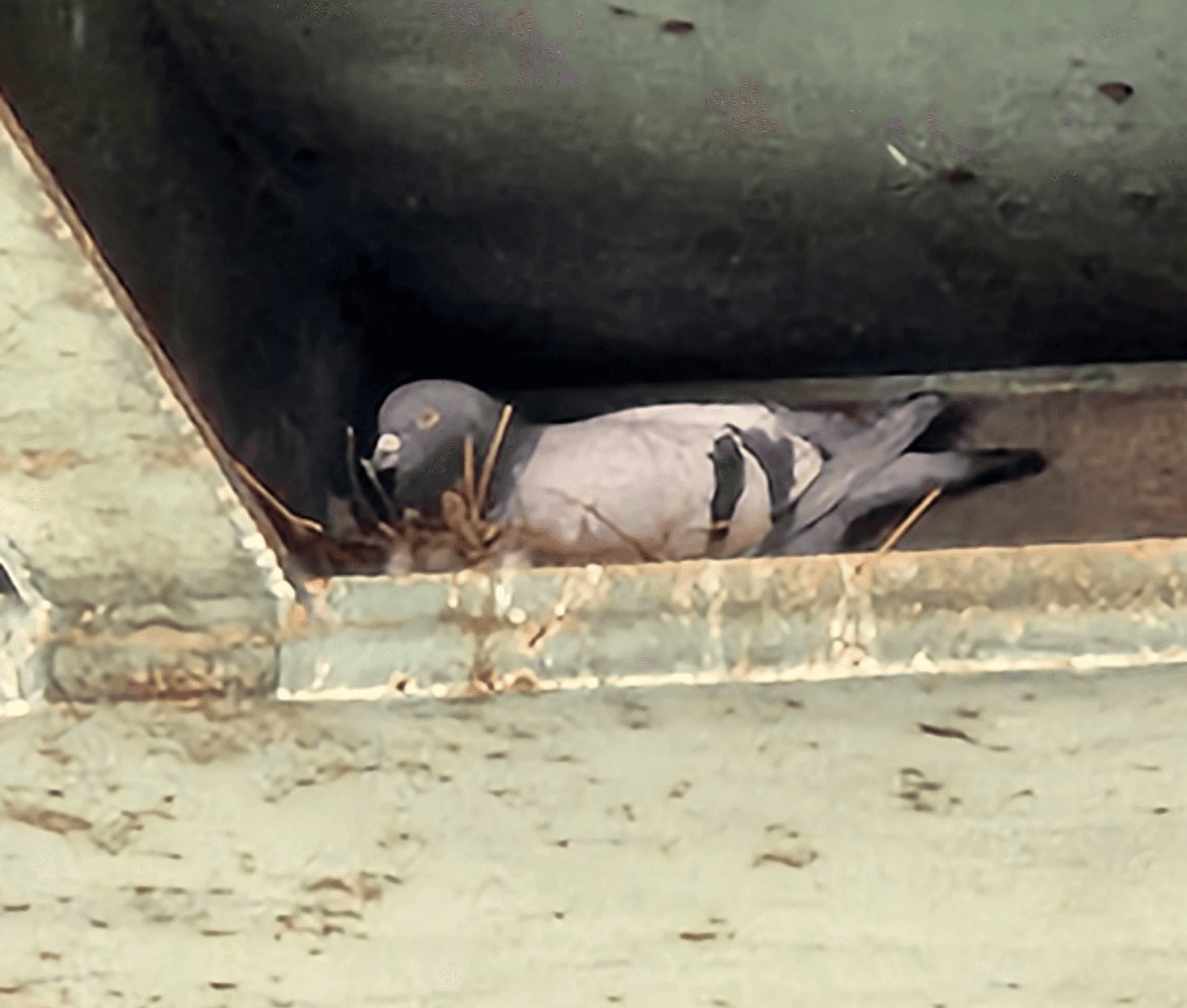
1. Lack of safe shelter

Modern buildings offer fewer ledges, cavities, and protected nesting spots.

Renovations often remove existing roosts without providing alternatives, leaving pigeons exposed to weather, predators, and repeated nest destruction.

This leads to stress, repeated breeding attempts, and injured or abandoned chicks.
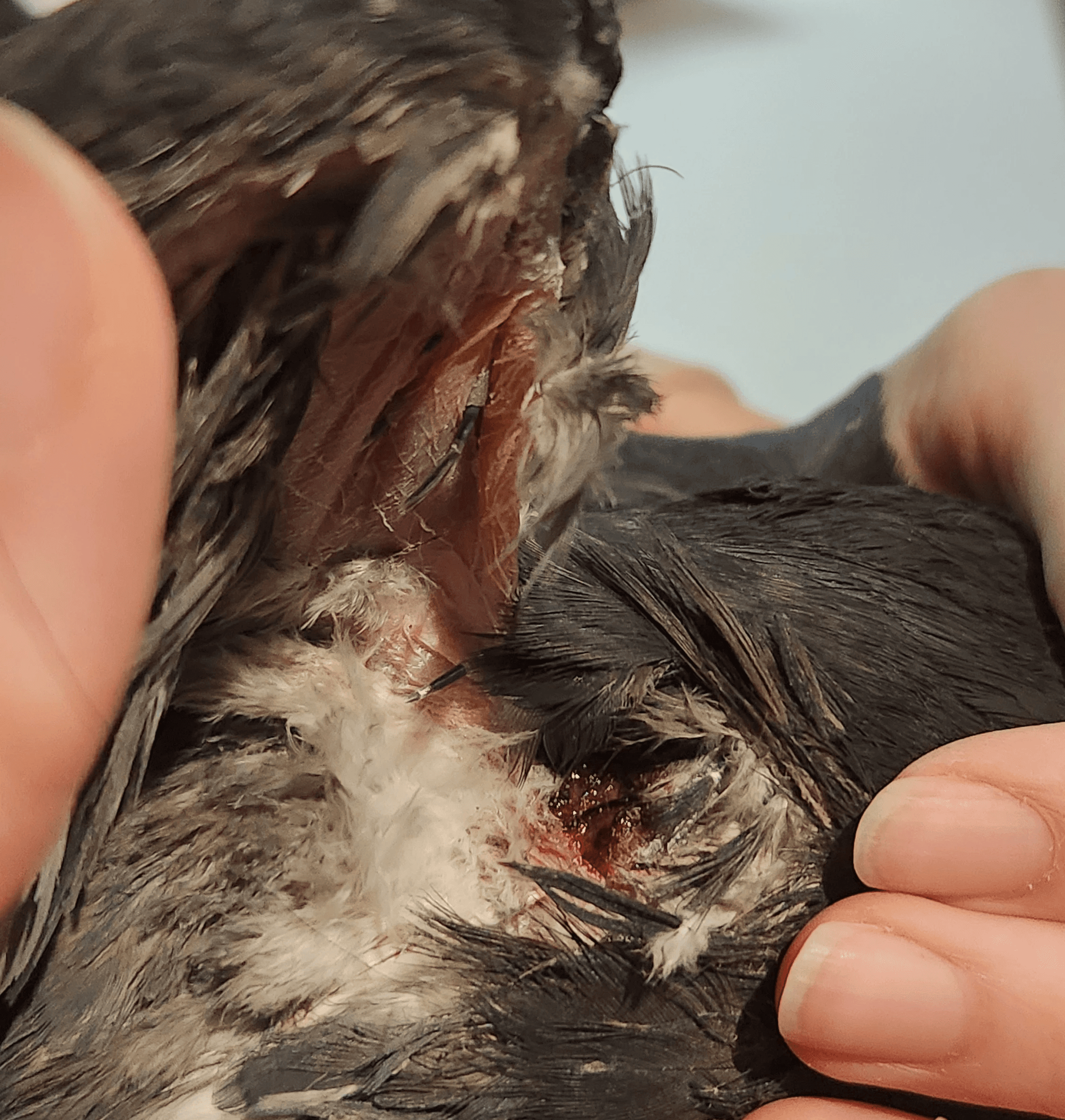
2. Injuries and illness

Common rescue cases include:

  • Broken wings or legs from collisions with vehicles, glass, or wires

  • Bite wounds from cats or other

  • Infections, parasites, and untreated illnesses

  • Exhaustion and starvation, especially in juveniles

Because pigeons are often perceived as “dirty” or disposable, injured birds are frequently ignored rather than helped.
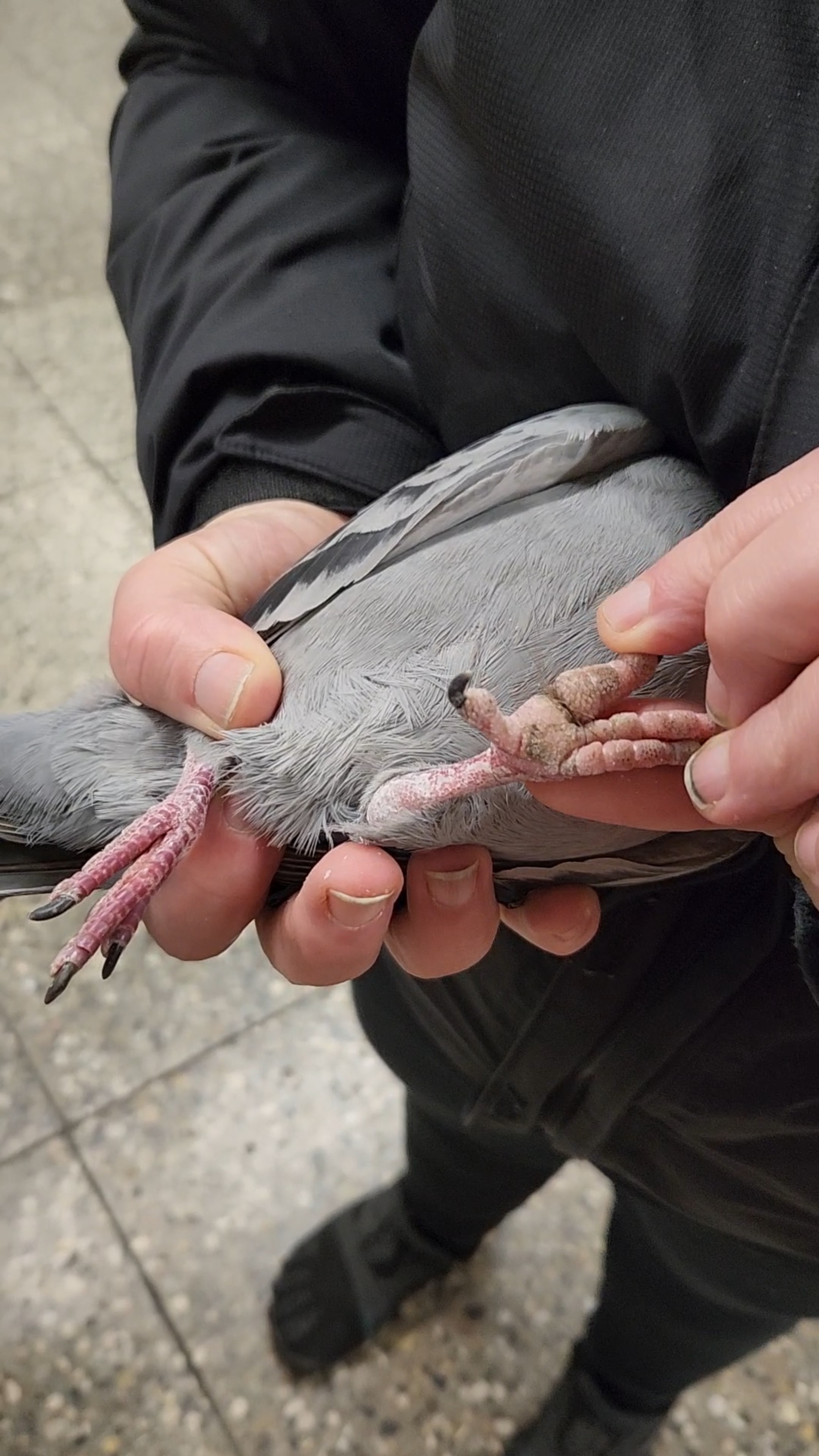
3. Stringfoot and entanglement

One of the most common and preventable urban pigeon injuries. Threads, hair, fishing line, and plastic wrap around toes or legs slowly cut into the flesh, causing swelling, infections, deformities, or loss of digits.

Without human intervention, stringfoot often leads to permanent disability or death.
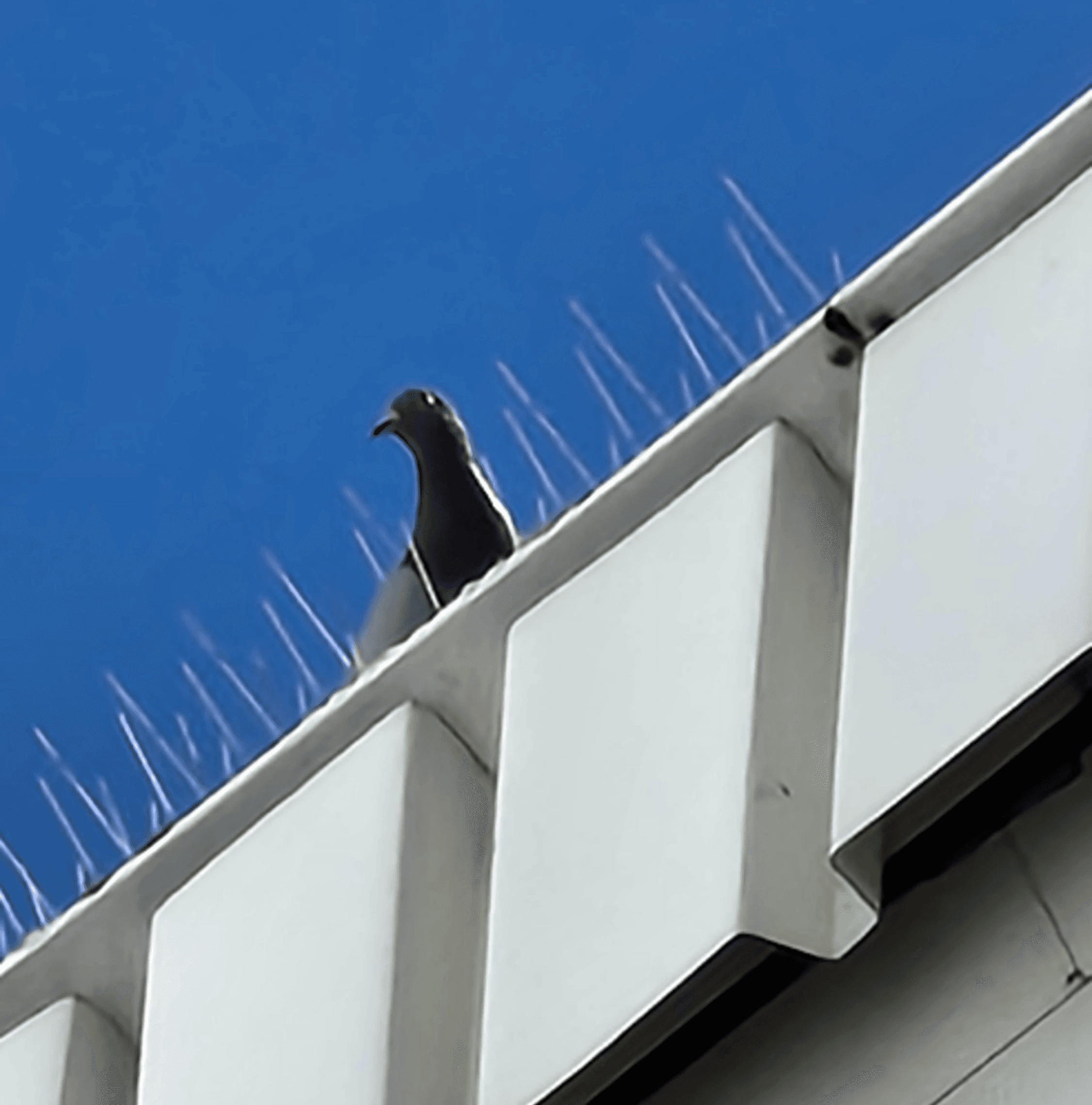
4. Human hostility and misinformation

Pigeons are still widely labelled as pests, despite being domesticated animals with a long history alongside humans.

This stigma leads to poisoning, illegal culling, nest destruction, and a general lack of empathy — making rescue work harder and public support more fragile.

Different levels of pigeon rescue work

Pigeon rescue isnt one single activity. It exists on a spectrum:

1. Observation and reporting

Not everyone needs to handle birds directly. Simply noticing an injured pigeon, identifying stringfoot early, and alerting a rescue or experienced volunteer can save lives.

2. First aid and basic intervention

This includes safely catching pigeons, removing strings, providing warmth, food, and temporary shelter, and stabilising birds before professional care.

3. Fostering and rehabilitation

Many pigeons need weeks or months of care to heal. Foster carers provide safe indoor housing, administer medication, monitor recovery, and help birds regain strength before release — or prepare them for permanent sanctuary if release isn’t possible.

4. Long-term care and sanctuary work

Some pigeons cannot be released due to permanent injuries. Sanctuaries and private carers provide lifelong care, often with limited resources and little public visibility.

5. Advocacy and education

Rescue doesn’t end with individual birds. Advocacy aims to change how pigeons are treated — through public education, humane population control, and pushing back against harmful myths. Without this layer, the same injuries repeat endlessly.

6. Egg swapping and humane population control

Egg swapping is a humane population control method where real eggs are replaced with dummy (usually plastic), allowing parents to continue incubating without producing more chicks. When done correctly and in coordination with local projects, this reduces long-term suffering without causing distress to the birds.

A note on egg swapping

Some people are uncomfortable with egg swapping because the eggs are fertilised, and frame their objection in pro-life terms. This reaction is understandable, but it overlooks how urban pigeon reproduction actually works.

Urban pigeons were selectively bred by humans to reproduce frequently. Unlike wild rock pigeons, urban pigeons can breed 812 times a year, usually laying two eggs per clutch. This leads to rapid population growth. When left unmanaged, overcrowding quickly deteriorates living conditions, resulting in increased competition for food, starvation, disease, and widespread chick abandonment.

Egg swapping aims to prevent this downstream suffering. By replacing freshly laid eggs with dummy or treated eggs, parent pigeons are allowed to complete their natural brooding cycle without producing more offspring. This reduces the urge to immediately lay new clutches and helps stabilise population numbers over time.

Prolonged and repeated brooding is also not ideal for a pigeons health. Continuous egg-laying and incubation place significant strain on the body, depleting calcium and energy reserves and increasing vulnerability to illness. From a welfare perspective, reducing excessive breeding benefits both individual birds and the wider urban pigeon population.
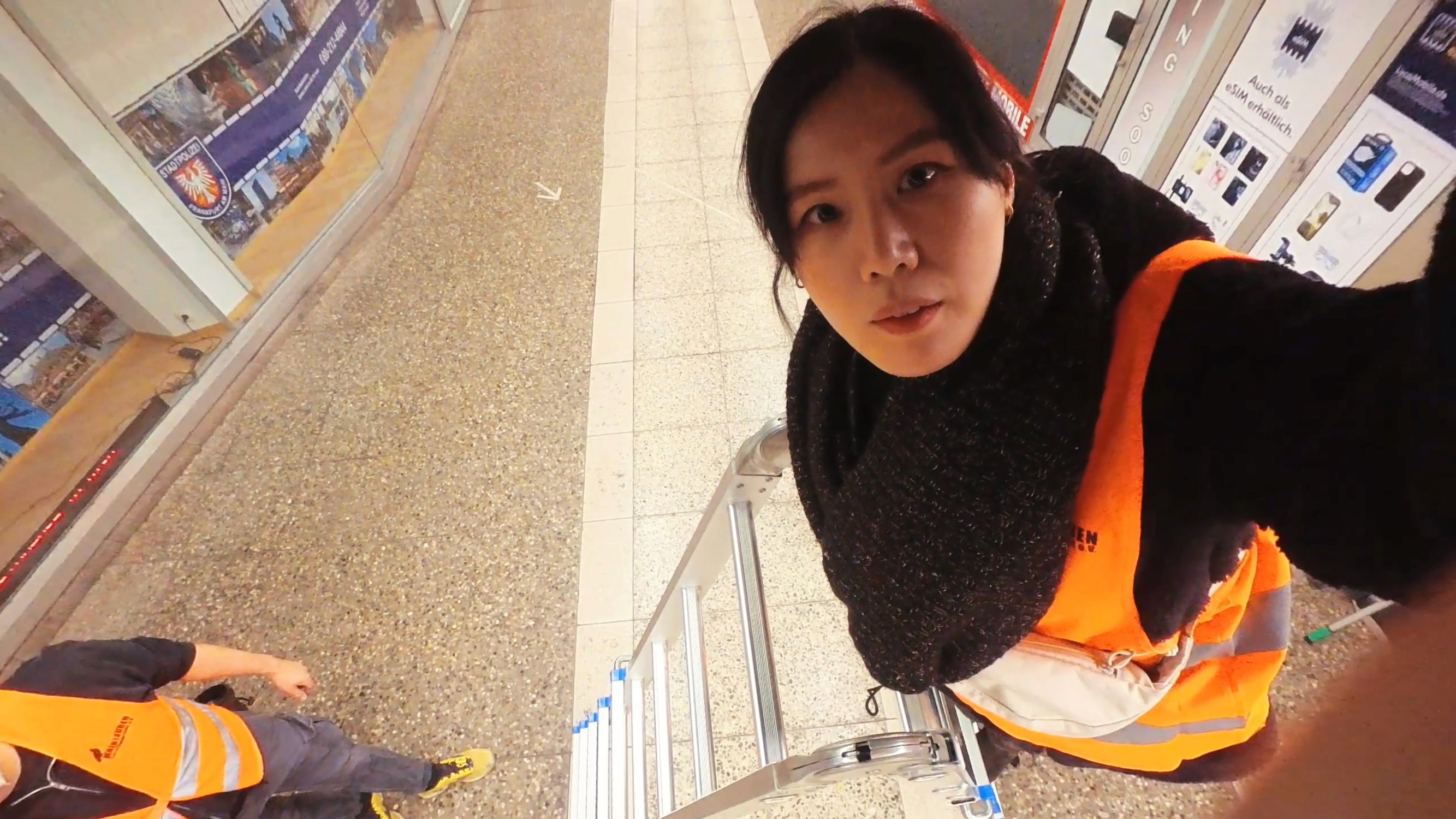
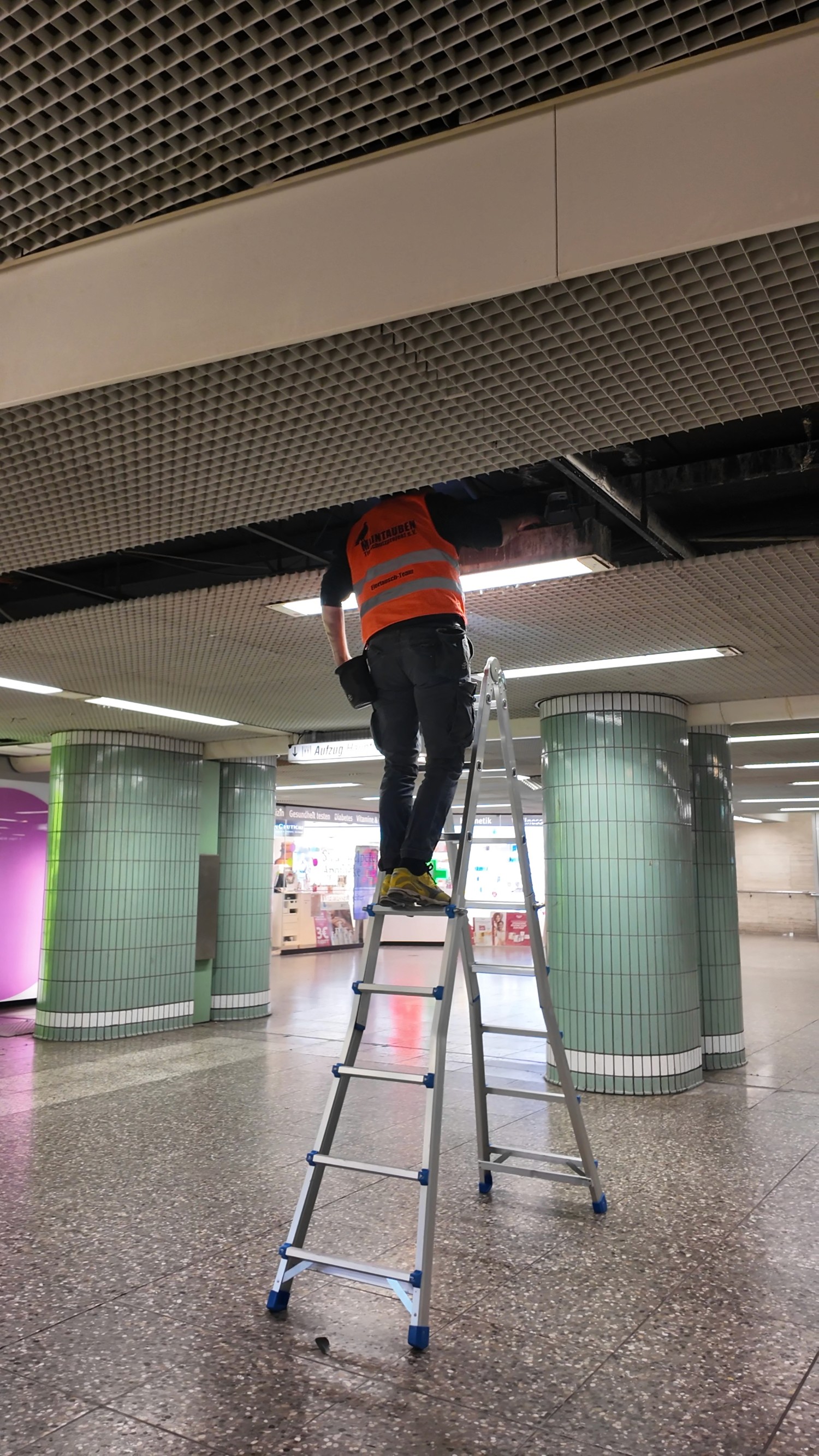
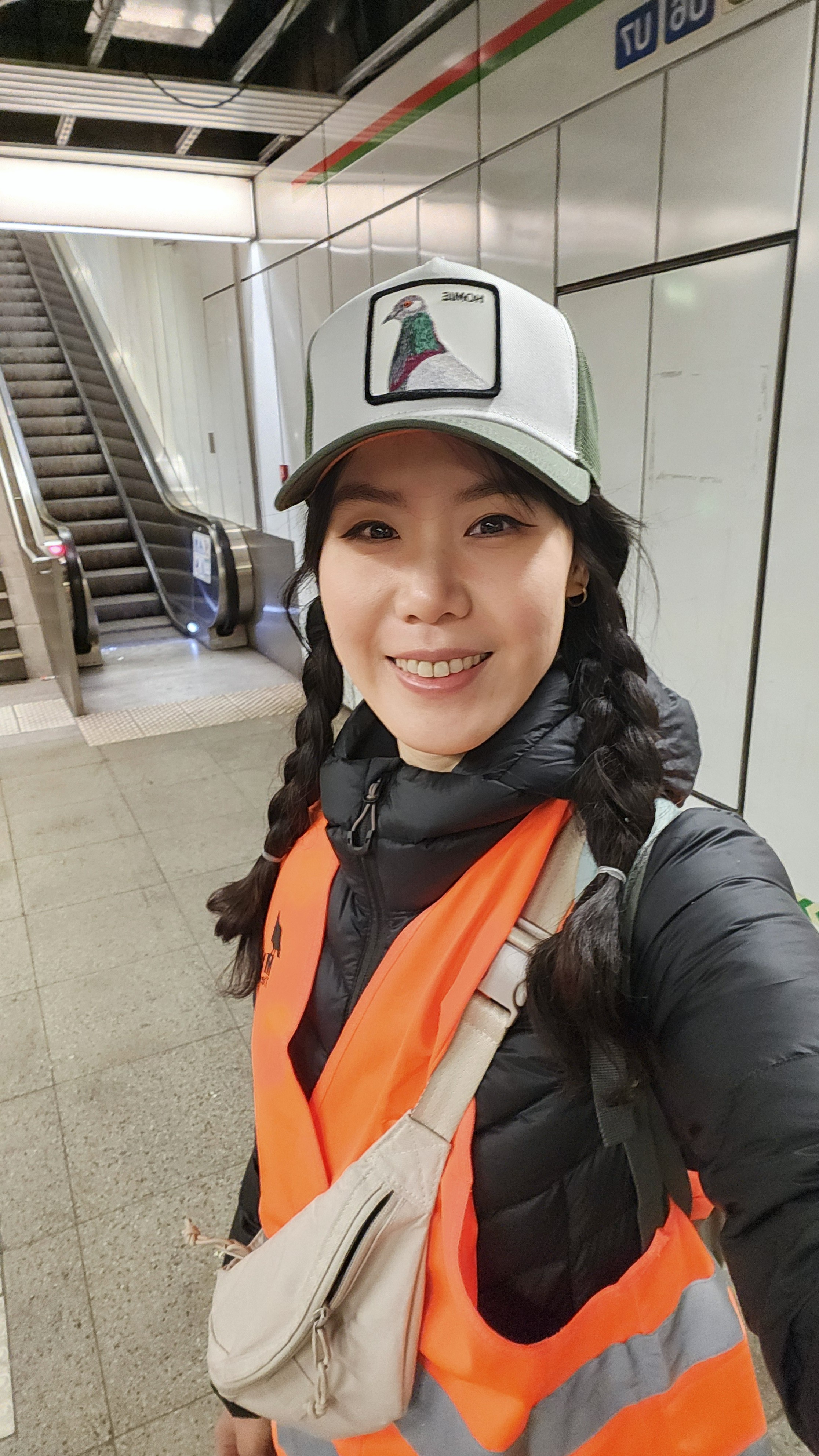
(Searching for eggs within the ceilings of Hauptwache, a busy underground train station in Frankfurt, Germany.)

My pigeon rescue journey

My first attempt to help an injured pigeon…taught me a lot

A neighbour called me one day: there was an injured pigeon in her garden, bleeding from what looked like a cat attack.

We were both at a loss. What do pigeons eat? What kind of first aid does it need? Should we release it? Are we at risk of disease??

After some googling, I foundmuch to my surprisea Facebook group specifically set up to coordinate emergency help for urban pigeons.

The moderators told me to bring the pigeon to a place called Stadttaubenprojekt in Frankfurt Sachsenhausen immediately, without delay. So thats what I did. My husband and I rented a car and drove over with a bulky cage borrowed from the neighbour. By the time we got there, it was already 8pm. The gates were shut and there was not a single person in sight.

Confused, I tried contacting the Facebook group moderator again, who suggested I reach out directly to the operator of the Stadttaubenprojekt. Thats when I realised they had a website and that they were only open from 9am to 6pm. I tried contacting them online, but didnt hear back.

As it turned out, I shouldnt have taken the moderators instructions at face value. Instead of springing into action, I should have kept the pigeon safe, observed it, and brought it in during opening hours.

In hindsight, the sense of urgency pushed me into acting fast rather than acting right.

When we later opened the cage, the pigeon escaped. It waddled into the bushes of a neighbouring building and disappeared from sight.

I never found out what happened to it.
My second attempt to rescue an injured pigeon went better

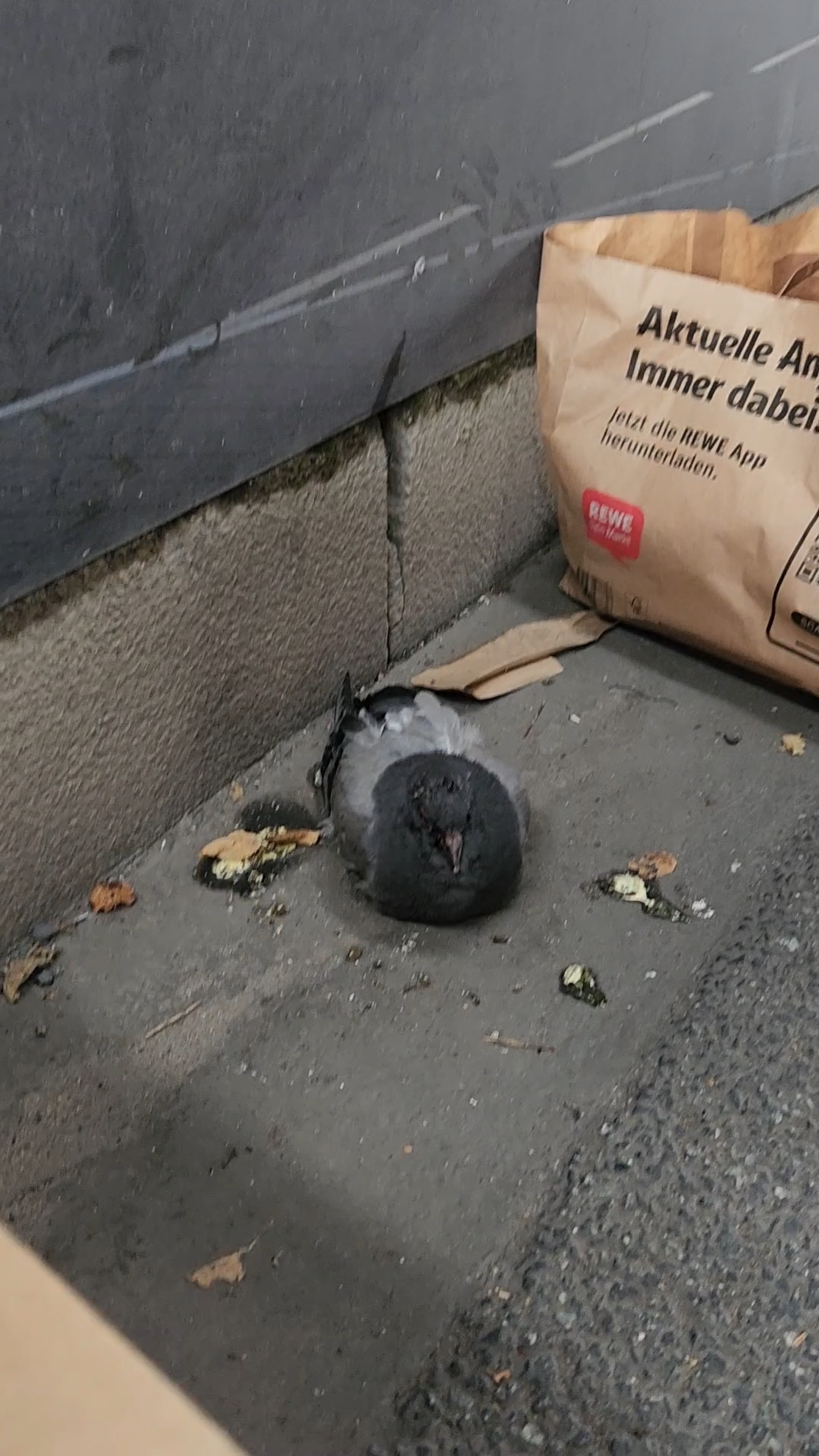
My husband and I were walking home from the gym in October 2024 when I spotted a pigeon sitting motionlessly at the side of the pathway. It was covered in blood, dirt, and its own droppings, and clearly wasnt doing well in the autumn weather. Around it were several takeaway boxes it looked like someone had tried to feed it.

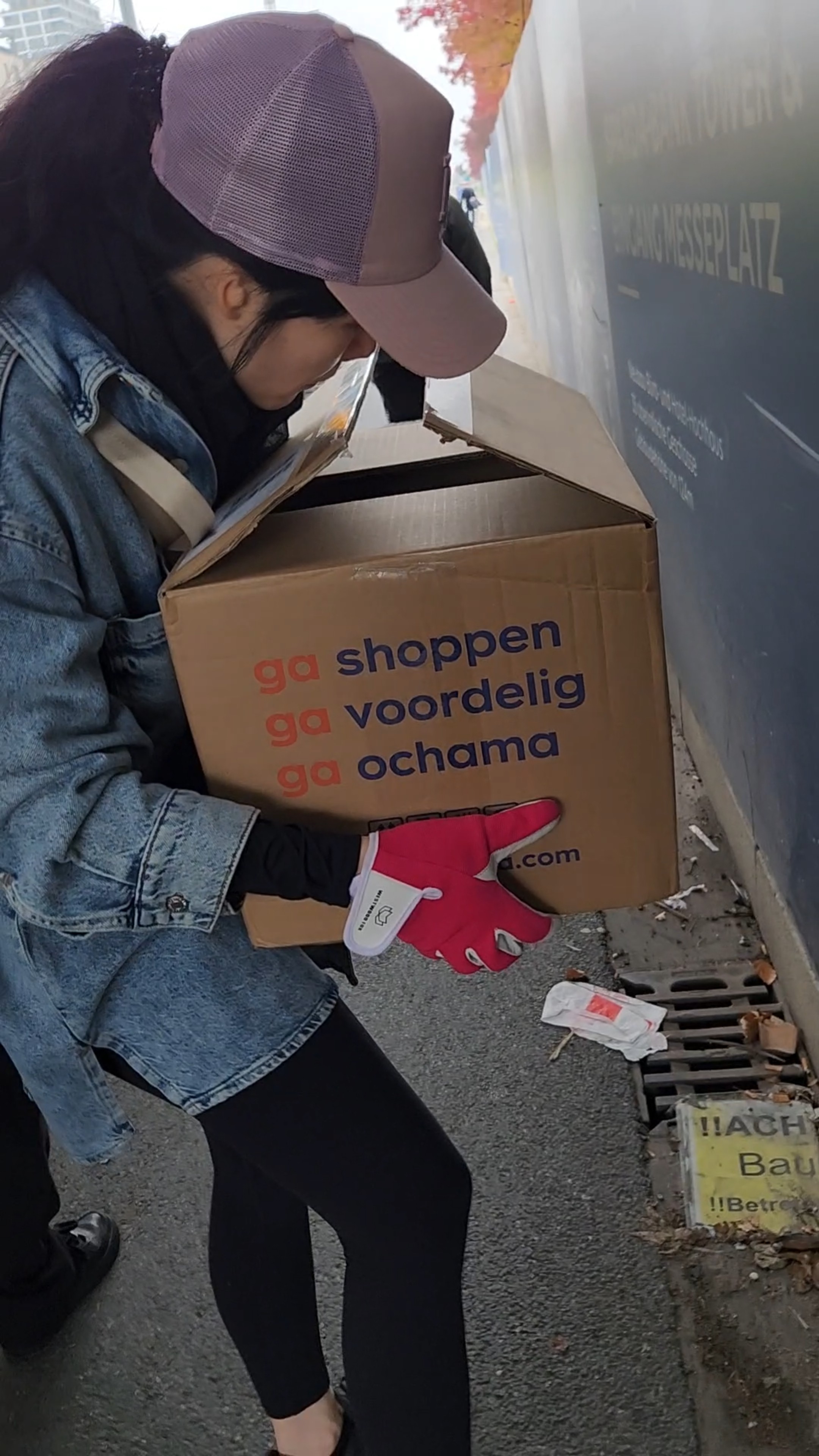
After my first attempt, I was determined to do better this time. We went home, grabbed a box, and carefully carried the pigeon back with us.

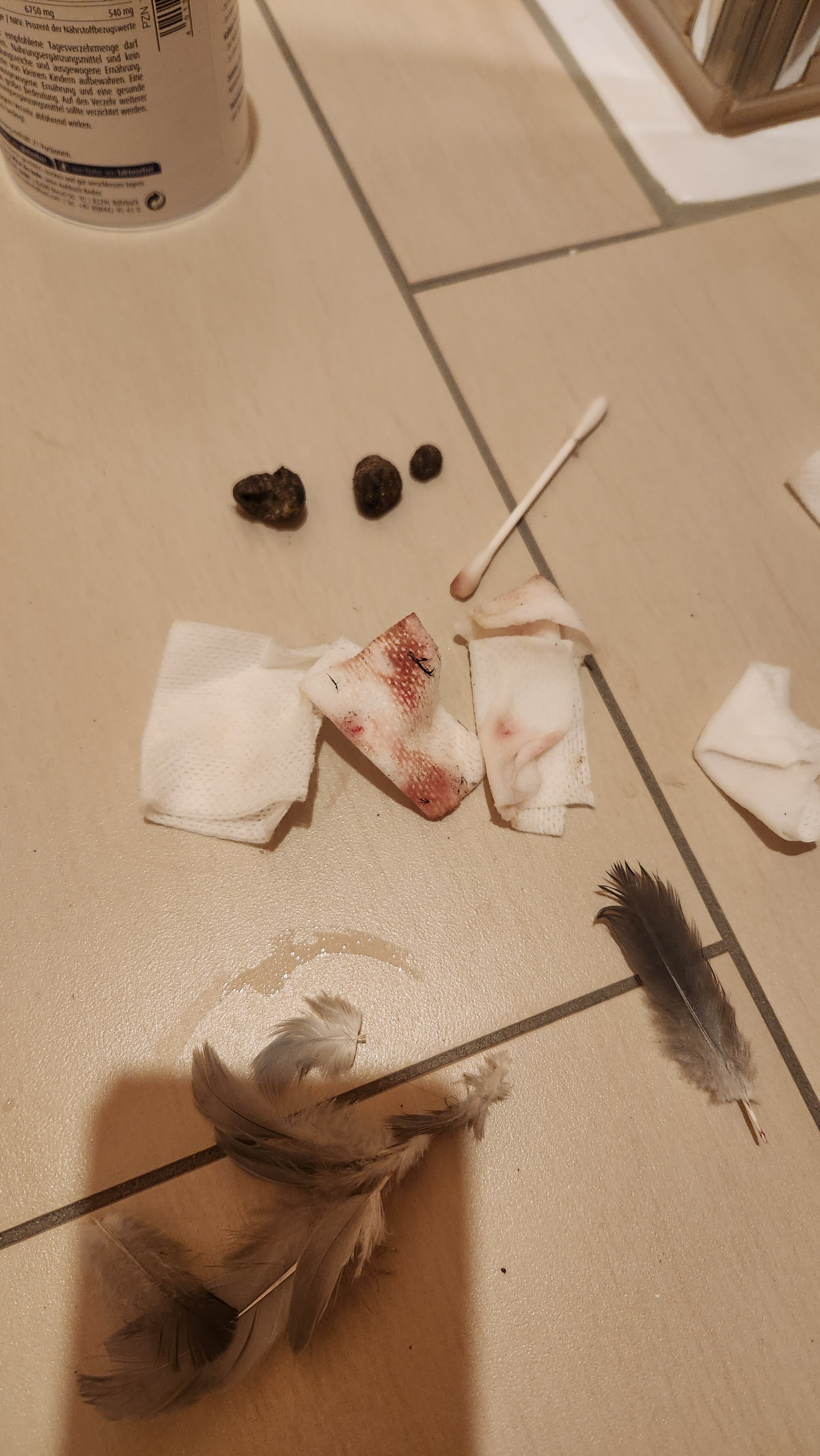
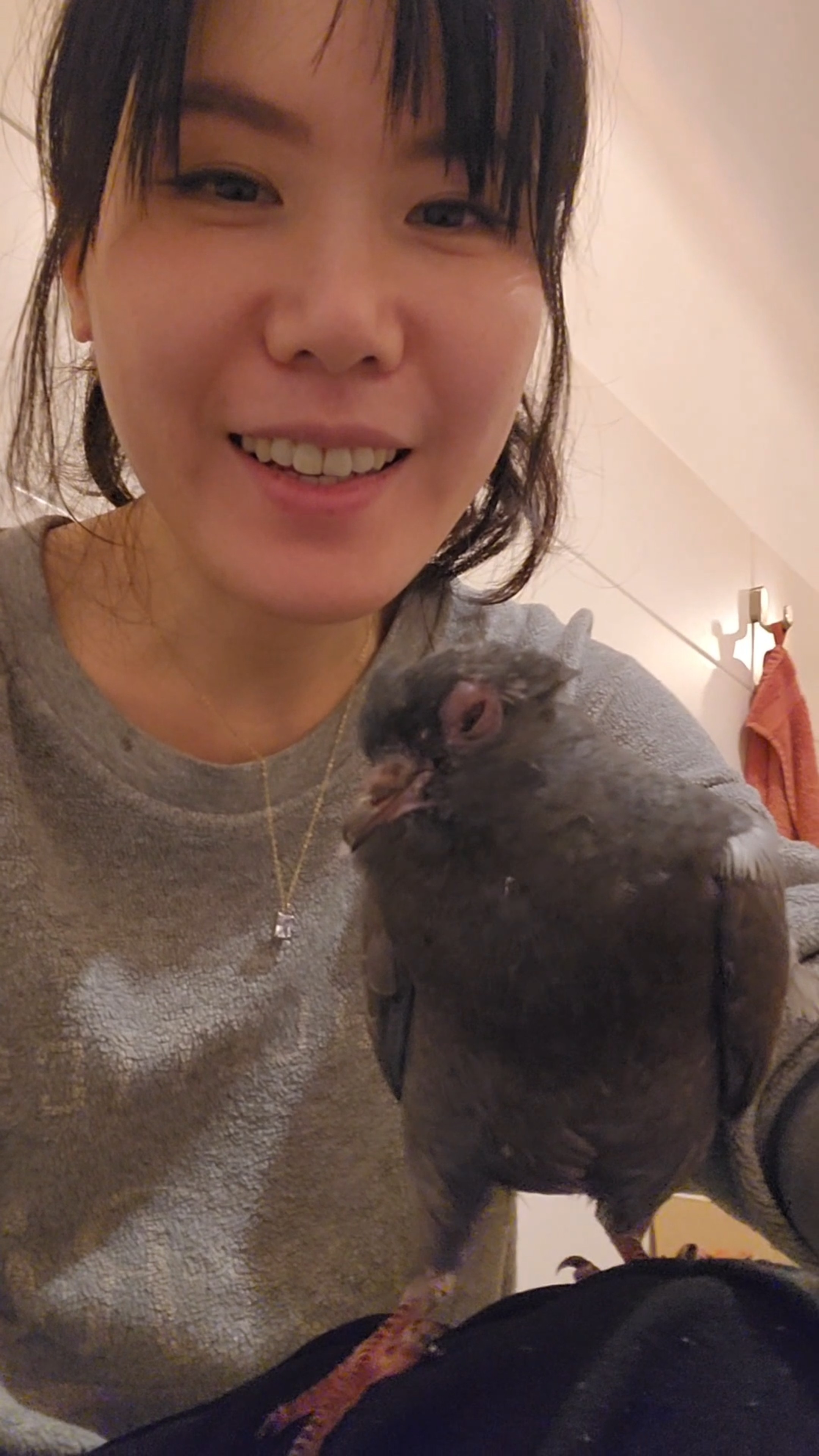
Lorie, as I had begun to call her, was in rough shape. She had an injury at the top of her head; one eye was swollen shut and crusted with dried blood. Her claws were matted with hardened dirt and waste.

After administering basic first aid, I contacted a reputable vet. When they heard it was a feral pigeon, they declined to take her in and referred me to MainTauben. That was my first contact with the organisation.

When I messaged MainTauben via WhatsApp, I half-expected to be ignored just as I had been during my first rescue attempt, albeit with a different organisation. But that same evening, I heard back from a woman named Nadine, who immediately started guiding me on how to care for the pigeon.

I eventually brought Lorie to a MainTauben rehab station (Alexandras), where she made a full recovery over the following months.

This experience helped me see how fragmented pigeon rescue work can be and how essential specialised networks like MainTauben are.

Since then, I’ve helped 16 pigeons (and counting)

I decided to join Maintauben as a member. Working with them, I focus mainly on fostering (providing food and boarding) injured or young pigeons that dont require intensive care.

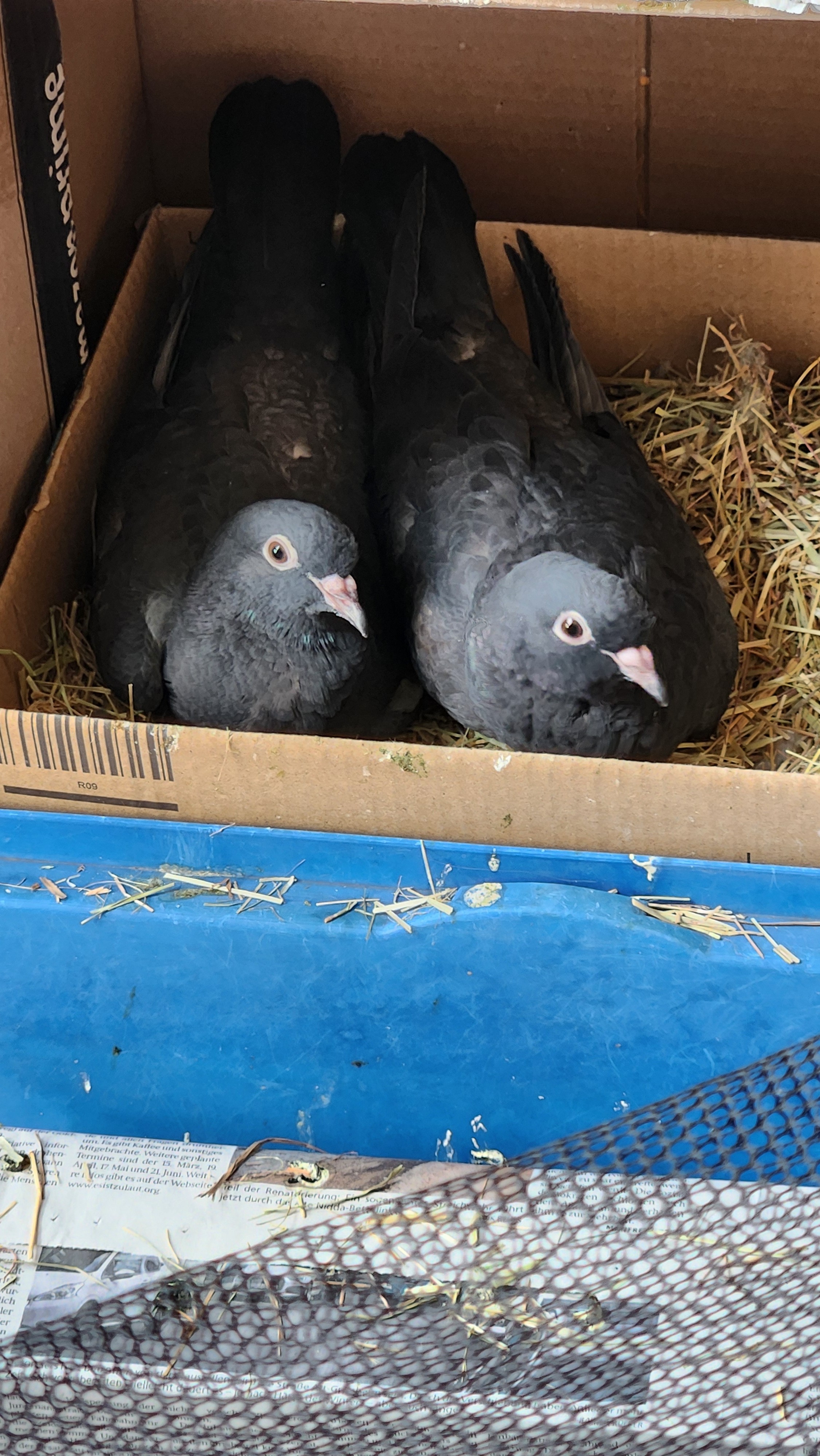
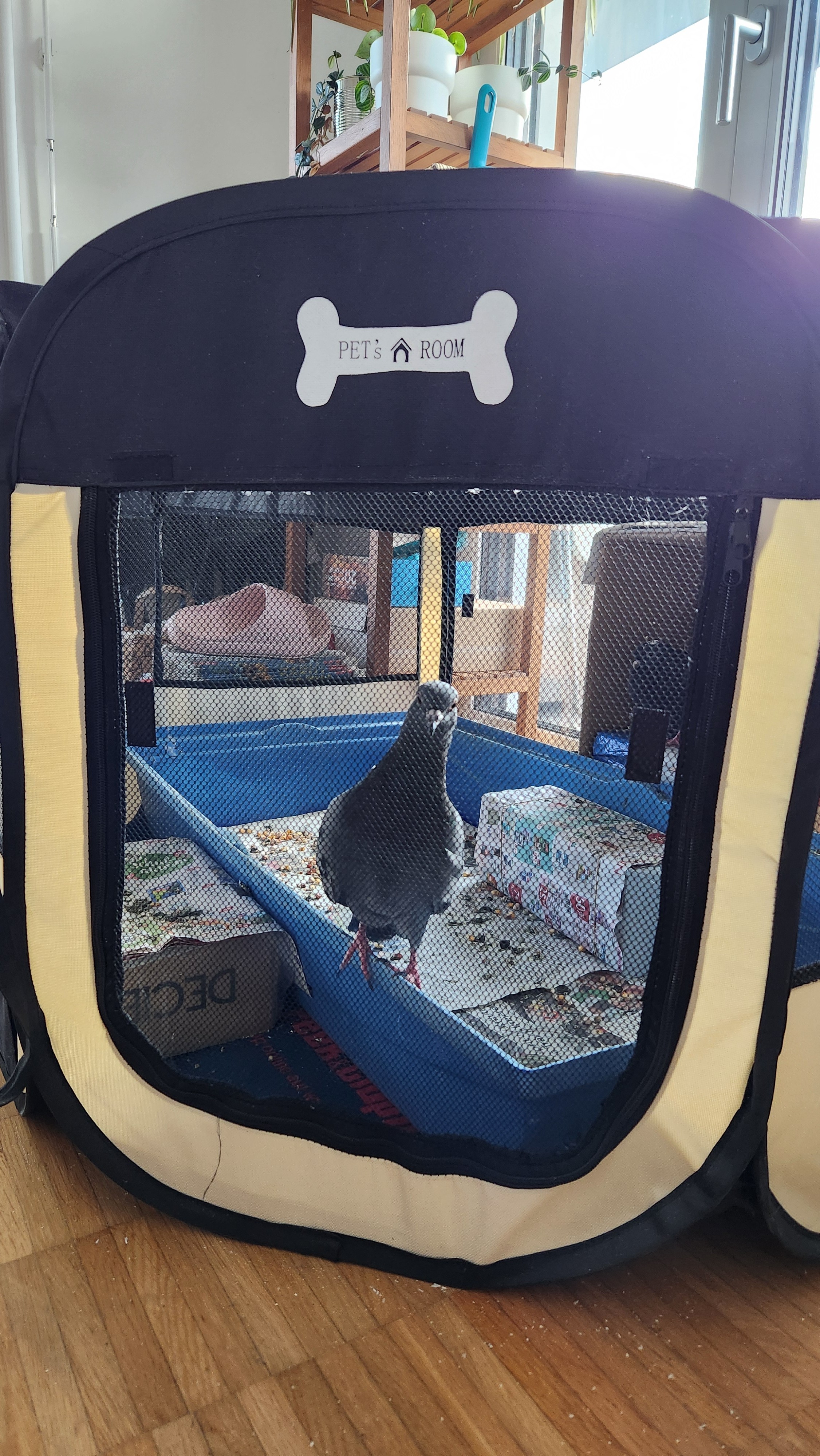
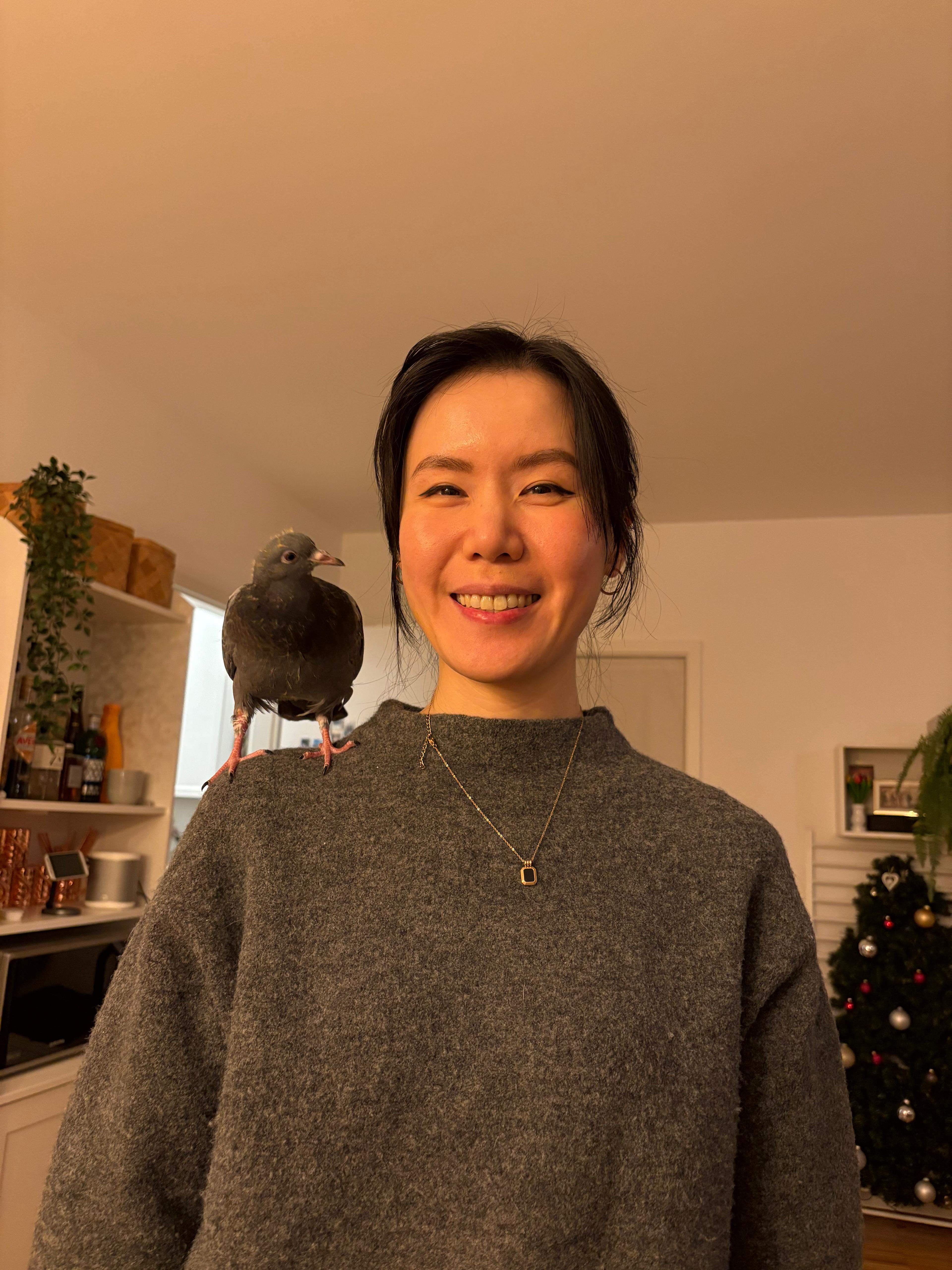
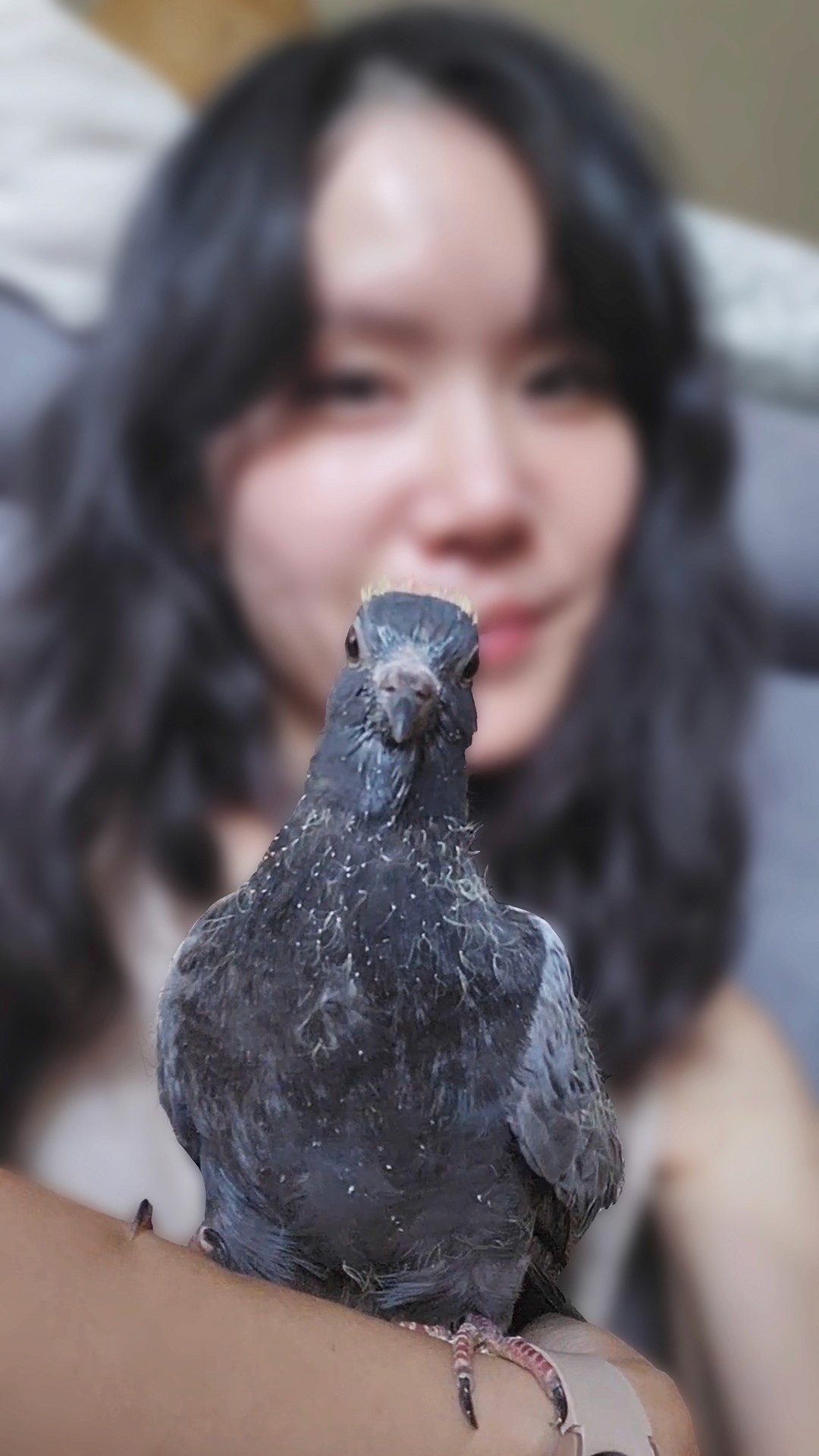
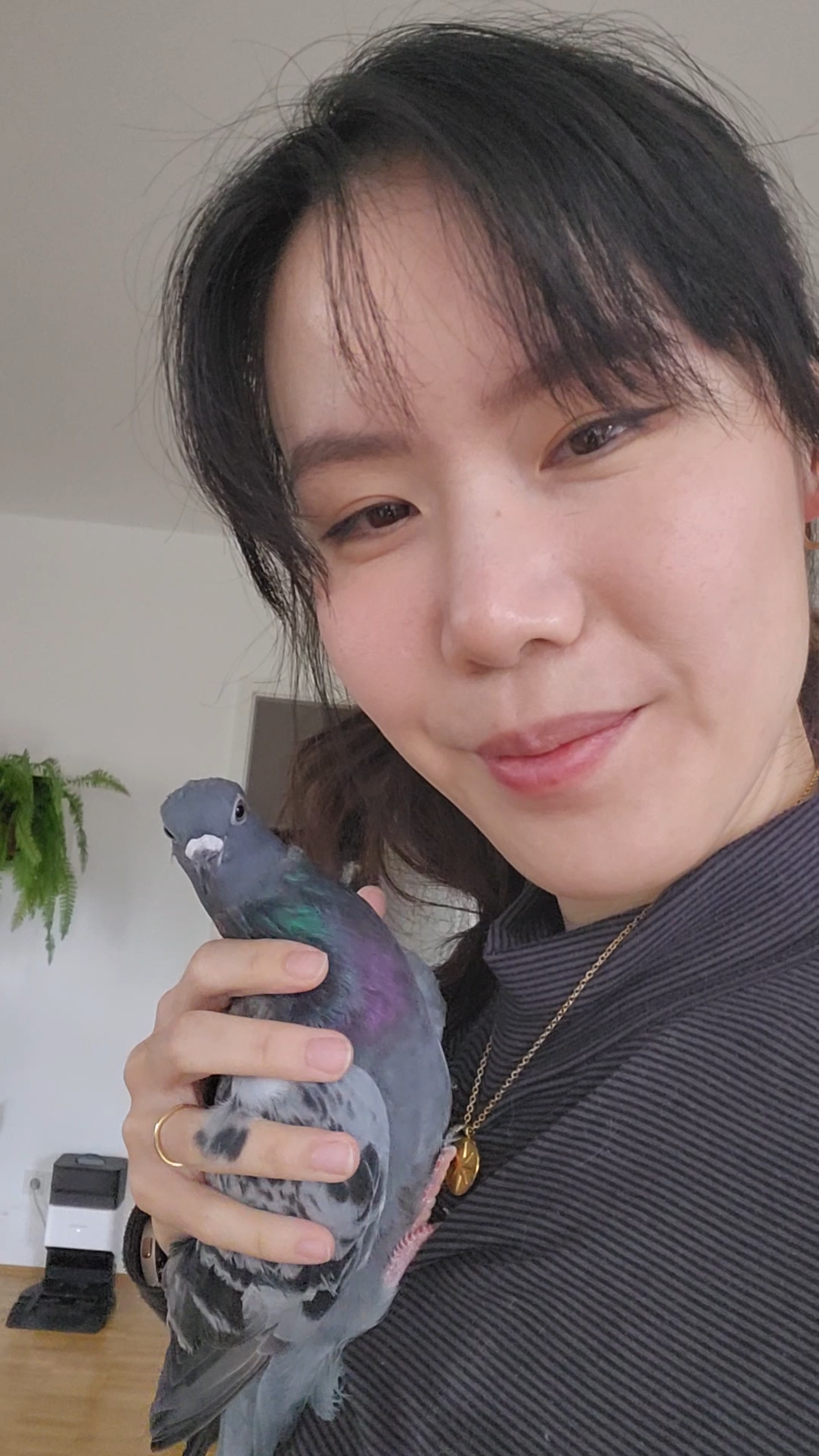
I always joke that I am running a luxury pigeon hotel, because I can only house 2 at a time and these guys get a big cage, a bathtub and daily flight time. Occasionally they even get to watch bird TV.
You, too, can lend these goofy urban pigeons a helping hand

I remember the confusion I felt at the beginning of my pigeon rescue journey, and that's why I thought by sharing some resources and my experience here, you will have more confidence in helping pigeons on their own as well.

You might not be changing the world, but you're definitely changing the world for that pigeon.

You might not be changing the world, but you're definitely changing the world for that pigeon.

A note of gratitude to MainTauben

I want to be very clear about this: whatever Ive learned or been able to do has been possible because of MainTauben and its volunteers.

Compared to my small contribution, the core team particularly the board members and the people supporting them behind the scenes carry the bulk of the work. They coordinate rescues, manage medical care, fundraise, educate the public, and show up day after day, often with very little visibility or recognition. In many cases, its not just volunteers, but also their families who quietly absorb the load.

My role as a foster is a small, bounded part of a much larger system. Without the dedication, experience, and persistence of organisations like MainTauben, pigeon rescue at scale simply wouldnt be possible.

If youd like to support this work, I encourage you to visit MainTaubens website. There are many ways to help: through donations, Sachspenden (material donations), or by becoming a member and supporting their work long-term.

Frequently Asked Questions

What do you do with the pigeons you rescue?

No — they don’t end up on my cats’ dinner plate 😂. No — I don’t keep them as pets. I rehab them with the goal of re-releasing them. Older pigeons with an existing community will be released back to their “hood”, while younger pigeons are paired up and grouped together with others in a similar age range to develop some life skills and hopefully live together upon release. Releasing them free up space to help other pigeons in need.

Position #2

Position #3

Position #4

Position #5

Position #6

Where do you get these pigeons from?

I work mainly with MainTauben — they run a Whatsapp hotline where people can reach out for help. Whenever an injured pigeon is found, this information is disseminated through our internal Whatsapp group, where volunteers can offer to transport, care for, or to house them.

Position #2

Position #3

Position #4

Position #5

Position #6

What does “cannot be released” mean? What happens if a pigeon can’t be released?

“Cannot be released” means that a pigeon cannot survive safely on its own, even after treatment. This can happen when a pigeon has: - A debilitating permanent injury (usually wing damage or paralysis). Many pigeons survive perfectly well with missing toes or even a whole foot, so its individual capability matters a lot. - Severely impaired vision - Chronic neurological issues - Sometimes a pigeon that is too tame or too bonded with humans can also be deemed unreleasable. If they cannot be safely released, they could either be: - moved into a permanent sanctuary or pigeon loft - adopted by experienced homes as pets - In the worst case scenario where recovery is unlikely (this is the case for many neurological conditions), they might be euthanised.

Position #2

Position #3

Position #4

Position #5

Position #6

What is the worst thing about pigeon fostering for you?

There are a few hard parts. Pigeons produce a lot of dust and droppings, so cleanliness is a constant effort. Some forms of care, like tube-feeding, are stressful and emotionally demanding, even when you know they’re necessary. Not being allowed to bond with the pigeons is also hard — they can be really cute but you have to avoid giving them too much attention, because that can reduce their chances of surviving out there. Another hard part is to not be able to communicate to a pigeon why it’s confined or why it can’t leave yet. I once cared for a pigeon that clearly had a mate and repeatedly tried to escape despite being badly injured. I felt like a kidnapper. Knowing what’s best for them and seeing their distress at the same time can be tough. But the hardest of all is knowing that sometimes, despite your best efforts, these pigeons still don’t make it. While I know that the pigeons that land in our care are already not in the best shape with limited chances of survival, it’s still very painful when it happens.

Position #2

Position #3

Position #4

Position #5

Position #6

What is the best thing about pigeon fostering for you?

Pigeons are far more charming than most people expect. They each have distinct personalities, and watching them regain strength and confidence is incredibly rewarding. It’s also really interesting to observe their different stages of life. Do you know that pigeons’ voices “break”, just like human teenagers do? 😄 More than anything, it’s knowing that my help mattered. I may only foster a few pigeons at a time, but for those birds, the difference between being ignored and being cared for is everything.

Position #2

Position #3

Position #4

Position #5

Position #6

How do your cats respond to the pigeons?

My cats are mostly curious observers. They watch the pigeons from a distance and seem to treat them more like moving television than prey. One of them is actually a bit wary of pigeons and prefers to keep their distance. There’s no attacking or hunting behaviour. Over time, the presence of pigeons has simply become part of the household routine rather than something exciting or stressful for the cats.

Position #2

Position #3

Position #4

Position #5

Position #6

I want to help. Can I just go around catching pigeons and swapping eggs?

If you are in Germany, then no — not on your own. (I don't know the regulations of other countries.) In Germany, urban pigeons are protected by animal-welfare law. Catching pigeons, interfering with nests, or swapping eggs is not something private individuals are allowed to do freely, even if the intention is to help. The only exception is if the animal is visibly injured, sick, entangled or in acute distress. These activities are only legal when they are: Part of an organised animal-welfare programme, and Carried out by a recognised Tierschutz (animal protection) organisation that has permission from the local authorities (usually the Veterinäramt), often under §11 of the Animal Welfare Act (Tierschutzgesetz). I would encourage you to get involved with one of the local pigeon rescue organisations first.

Position #2

Position #3

Position #4

Position #5

Position #6

I’ve found an injured pigeon, what do I do?

If a pigeon is injured, sick, entangled, or unable to escape, you are allowed to help. Stay calm Secure the pigeon Gently pick it up (use a towel if needed) and place it in a small, well-ventilated box lined with a cloth or paper towel. Keep it warm, dark, and quiet. This alone can be life-saving. If it’s cold, please provide a heat source, such as a hot water bottle, electric heating mat, or placing it close to the heater (not so close that it burns). Do not feed or give water until further notice! Injured pigeons can easily aspirate or choke. Please observe and document the pigeon first to help assess if it’s safe to give it food and water later. Contact help immediately Reach out to a local pigeon rescue or Tierschutzverein. Pay attention to their opening hours (learn from my mistakes!). Transport if instructed If asked to bring the pigeon in, keep it contained and calm during transport. A small soft box (for bird or cat transport) is ideal, but if not, a bigger shoe box with ventilation holes is also fine.

Position #2

Position #3

Position #4

Position #5

Position #6

What do you do with the pigeons you rescue?

No — they don’t end up on my cats’ dinner plate 😂. No — I don’t keep them as pets. I rehab them with the goal of re-releasing them. Older pigeons with an existing community will be released back to their “hood”, while younger pigeons are paired up and grouped together with others in a similar age range to develop some life skills and hopefully live together upon release. Releasing them free up space to help other pigeons in need.

Position #2

Position #3

Position #4

Position #5

Position #6

Where do you get these pigeons from?

I work mainly with MainTauben — they run a Whatsapp hotline where people can reach out for help. Whenever an injured pigeon is found, this information is disseminated through our internal Whatsapp group, where volunteers can offer to transport, care for, or to house them.

Position #2

Position #3

Position #4

Position #5

Position #6

What does “cannot be released” mean? What happens if a pigeon can’t be released?

“Cannot be released” means that a pigeon cannot survive safely on its own, even after treatment. This can happen when a pigeon has: - A debilitating permanent injury (usually wing damage or paralysis). Many pigeons survive perfectly well with missing toes or even a whole foot, so its individual capability matters a lot. - Severely impaired vision - Chronic neurological issues - Sometimes a pigeon that is too tame or too bonded with humans can also be deemed unreleasable. If they cannot be safely released, they could either be: - moved into a permanent sanctuary or pigeon loft - adopted by experienced homes as pets - In the worst case scenario where recovery is unlikely (this is the case for many neurological conditions), they might be euthanised.

Position #2

Position #3

Position #4

Position #5

Position #6

What is the worst thing about pigeon fostering for you?

There are a few hard parts. Pigeons produce a lot of dust and droppings, so cleanliness is a constant effort. Some forms of care, like tube-feeding, are stressful and emotionally demanding, even when you know they’re necessary. Not being allowed to bond with the pigeons is also hard — they can be really cute but you have to avoid giving them too much attention, because that can reduce their chances of surviving out there. Another hard part is to not be able to communicate to a pigeon why it’s confined or why it can’t leave yet. I once cared for a pigeon that clearly had a mate and repeatedly tried to escape despite being badly injured. I felt like a kidnapper. Knowing what’s best for them and seeing their distress at the same time can be tough. But the hardest of all is knowing that sometimes, despite your best efforts, these pigeons still don’t make it. While I know that the pigeons that land in our care are already not in the best shape with limited chances of survival, it’s still very painful when it happens.

Position #2

Position #3

Position #4

Position #5

Position #6

What is the best thing about pigeon fostering for you?

Pigeons are far more charming than most people expect. They each have distinct personalities, and watching them regain strength and confidence is incredibly rewarding. It’s also really interesting to observe their different stages of life. Do you know that pigeons’ voices “break”, just like human teenagers do? 😄 More than anything, it’s knowing that my help mattered. I may only foster a few pigeons at a time, but for those birds, the difference between being ignored and being cared for is everything.

Position #2

Position #3

Position #4

Position #5

Position #6

How do your cats respond to the pigeons?

My cats are mostly curious observers. They watch the pigeons from a distance and seem to treat them more like moving television than prey. One of them is actually a bit wary of pigeons and prefers to keep their distance. There’s no attacking or hunting behaviour. Over time, the presence of pigeons has simply become part of the household routine rather than something exciting or stressful for the cats.

Position #2

Position #3

Position #4

Position #5

Position #6

I want to help. Can I just go around catching pigeons and swapping eggs?

If you are in Germany, then no — not on your own. (I don't know the regulations of other countries.) In Germany, urban pigeons are protected by animal-welfare law. Catching pigeons, interfering with nests, or swapping eggs is not something private individuals are allowed to do freely, even if the intention is to help. The only exception is if the animal is visibly injured, sick, entangled or in acute distress. These activities are only legal when they are: Part of an organised animal-welfare programme, and Carried out by a recognised Tierschutz (animal protection) organisation that has permission from the local authorities (usually the Veterinäramt), often under §11 of the Animal Welfare Act (Tierschutzgesetz). I would encourage you to get involved with one of the local pigeon rescue organisations first.

Position #2

Position #3

Position #4

Position #5

Position #6

I’ve found an injured pigeon, what do I do?

If a pigeon is injured, sick, entangled, or unable to escape, you are allowed to help. Stay calm Secure the pigeon Gently pick it up (use a towel if needed) and place it in a small, well-ventilated box lined with a cloth or paper towel. Keep it warm, dark, and quiet. This alone can be life-saving. If it’s cold, please provide a heat source, such as a hot water bottle, electric heating mat, or placing it close to the heater (not so close that it burns). Do not feed or give water until further notice! Injured pigeons can easily aspirate or choke. Please observe and document the pigeon first to help assess if it’s safe to give it food and water later. Contact help immediately Reach out to a local pigeon rescue or Tierschutzverein. Pay attention to their opening hours (learn from my mistakes!). Transport if instructed If asked to bring the pigeon in, keep it contained and calm during transport. A small soft box (for bird or cat transport) is ideal, but if not, a bigger shoe box with ventilation holes is also fine.

Position #2

Position #3

Position #4

Position #5

Position #6

What do you do with the pigeons you rescue?

No — they don’t end up on my cats’ dinner plate 😂. No — I don’t keep them as pets. I rehab them with the goal of re-releasing them. Older pigeons with an existing community will be released back to their “hood”, while younger pigeons are paired up and grouped together with others in a similar age range to develop some life skills and hopefully live together upon release. Releasing them free up space to help other pigeons in need.

Position #2

Position #3

Position #4

Position #5

Position #6

Where do you get these pigeons from?

I work mainly with MainTauben — they run a Whatsapp hotline where people can reach out for help. Whenever an injured pigeon is found, this information is disseminated through our internal Whatsapp group, where volunteers can offer to transport, care for, or to house them.

Position #2

Position #3

Position #4

Position #5

Position #6

What does “cannot be released” mean? What happens if a pigeon can’t be released?

“Cannot be released” means that a pigeon cannot survive safely on its own, even after treatment. This can happen when a pigeon has: - A debilitating permanent injury (usually wing damage or paralysis). Many pigeons survive perfectly well with missing toes or even a whole foot, so its individual capability matters a lot. - Severely impaired vision - Chronic neurological issues - Sometimes a pigeon that is too tame or too bonded with humans can also be deemed unreleasable. If they cannot be safely released, they could either be: - moved into a permanent sanctuary or pigeon loft - adopted by experienced homes as pets - In the worst case scenario where recovery is unlikely (this is the case for many neurological conditions), they might be euthanised.

Position #2

Position #3

Position #4

Position #5

Position #6

What is the worst thing about pigeon fostering for you?

There are a few hard parts. Pigeons produce a lot of dust and droppings, so cleanliness is a constant effort. Some forms of care, like tube-feeding, are stressful and emotionally demanding, even when you know they’re necessary. Not being allowed to bond with the pigeons is also hard — they can be really cute but you have to avoid giving them too much attention, because that can reduce their chances of surviving out there. Another hard part is to not be able to communicate to a pigeon why it’s confined or why it can’t leave yet. I once cared for a pigeon that clearly had a mate and repeatedly tried to escape despite being badly injured. I felt like a kidnapper. Knowing what’s best for them and seeing their distress at the same time can be tough. But the hardest of all is knowing that sometimes, despite your best efforts, these pigeons still don’t make it. While I know that the pigeons that land in our care are already not in the best shape with limited chances of survival, it’s still very painful when it happens.

Position #2

Position #3

Position #4

Position #5

Position #6

What is the best thing about pigeon fostering for you?

Pigeons are far more charming than most people expect. They each have distinct personalities, and watching them regain strength and confidence is incredibly rewarding. It’s also really interesting to observe their different stages of life. Do you know that pigeons’ voices “break”, just like human teenagers do? 😄 More than anything, it’s knowing that my help mattered. I may only foster a few pigeons at a time, but for those birds, the difference between being ignored and being cared for is everything.

Position #2

Position #3

Position #4

Position #5

Position #6

How do your cats respond to the pigeons?

My cats are mostly curious observers. They watch the pigeons from a distance and seem to treat them more like moving television than prey. One of them is actually a bit wary of pigeons and prefers to keep their distance. There’s no attacking or hunting behaviour. Over time, the presence of pigeons has simply become part of the household routine rather than something exciting or stressful for the cats.

Position #2

Position #3

Position #4

Position #5

Position #6

I want to help. Can I just go around catching pigeons and swapping eggs?

If you are in Germany, then no — not on your own. (I don't know the regulations of other countries.) In Germany, urban pigeons are protected by animal-welfare law. Catching pigeons, interfering with nests, or swapping eggs is not something private individuals are allowed to do freely, even if the intention is to help. The only exception is if the animal is visibly injured, sick, entangled or in acute distress. These activities are only legal when they are: Part of an organised animal-welfare programme, and Carried out by a recognised Tierschutz (animal protection) organisation that has permission from the local authorities (usually the Veterinäramt), often under §11 of the Animal Welfare Act (Tierschutzgesetz). I would encourage you to get involved with one of the local pigeon rescue organisations first.

Position #2

Position #3

Position #4

Position #5

Position #6

I’ve found an injured pigeon, what do I do?

If a pigeon is injured, sick, entangled, or unable to escape, you are allowed to help. Stay calm Secure the pigeon Gently pick it up (use a towel if needed) and place it in a small, well-ventilated box lined with a cloth or paper towel. Keep it warm, dark, and quiet. This alone can be life-saving. If it’s cold, please provide a heat source, such as a hot water bottle, electric heating mat, or placing it close to the heater (not so close that it burns). Do not feed or give water until further notice! Injured pigeons can easily aspirate or choke. Please observe and document the pigeon first to help assess if it’s safe to give it food and water later. Contact help immediately Reach out to a local pigeon rescue or Tierschutzverein. Pay attention to their opening hours (learn from my mistakes!). Transport if instructed If asked to bring the pigeon in, keep it contained and calm during transport. A small soft box (for bird or cat transport) is ideal, but if not, a bigger shoe box with ventilation holes is also fine.

Position #2

Position #3

Position #4

Position #5

Position #6